
Search StudySC for people, places, history, and ideas.
StudySC – Know where you live.
Explore South Carolina through StudySC! Learn about your community, South Carolina history, and the people who have made a significant impact on the state and the world.
SC Subjects by Grade Level

StudySC's SC250 Resources
Discover how South Carolina helped shape the American Revolution. Explore the people, places, and pivotal moments that made the Palmetto State a turning point in the fight for independence.
South Carolina People

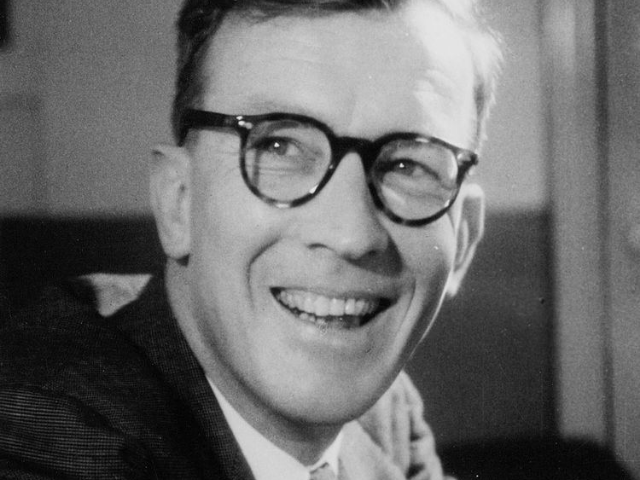
Frank B. Gilbreth, Jr.
Frank Bunker Gilbreth, Jr. was a journalist and author. He is best known for co-authoring Cheaper by the Dozen and Belles on Their Toes.

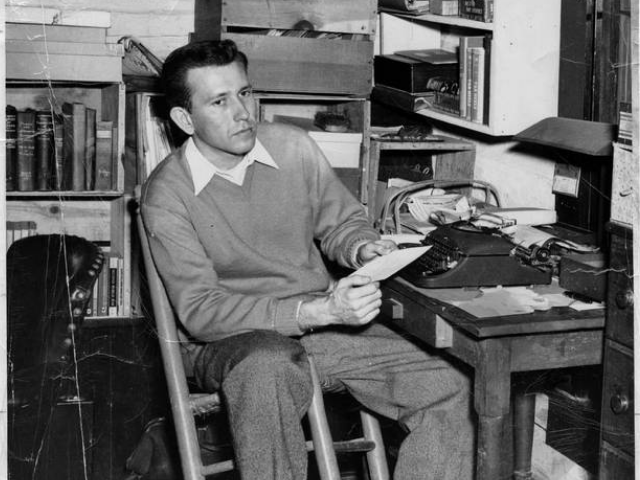
South Carolina Counties
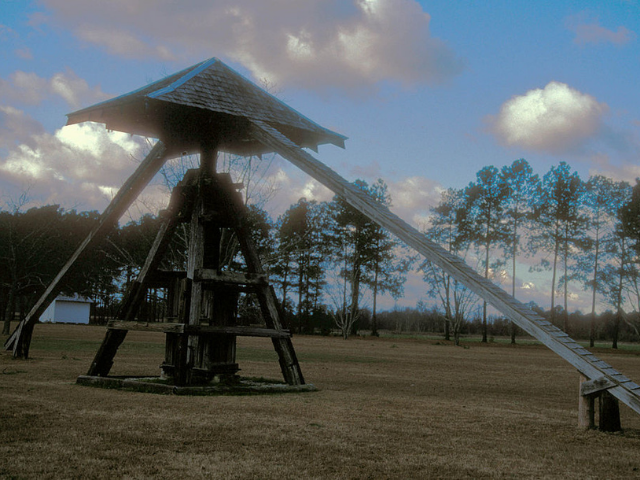
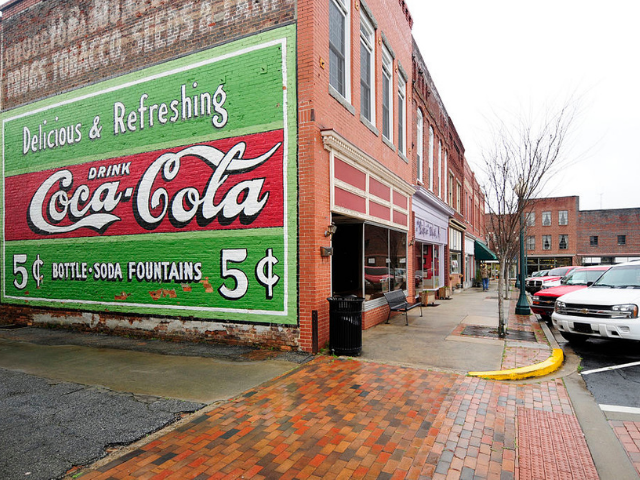
Laurens County
Laurens County and its county seat, Laurens, were named for Revolutionary War leader Henry Laurens (1724-1792).
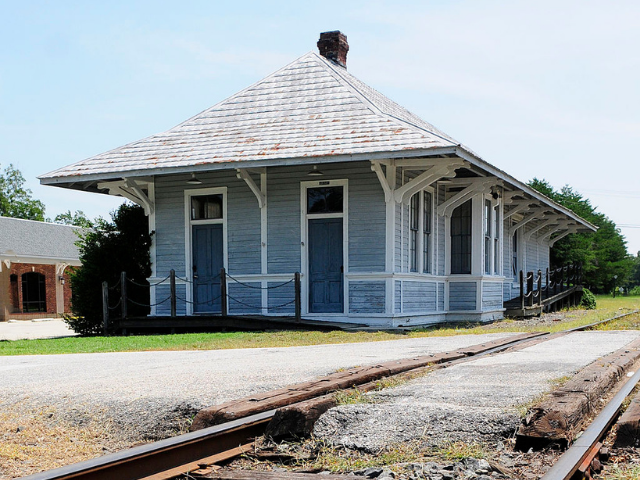
Lancaster County
Lancaster County and its county seat of Lancaster were named for Lancaster County, Pennsylvania.

South Carolina Facts
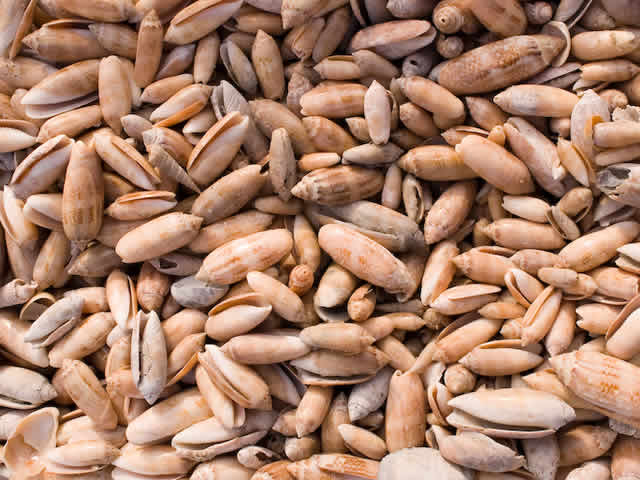
South Carolina State Shell
The Lettered Olive (Olive Sayana) was designated as the official State Shell by Act No. 360 of 1984. The shell has a smooth, shiny, cylindrical shape and is typically found in shallow waters near the shore.
South Carolina Glossary
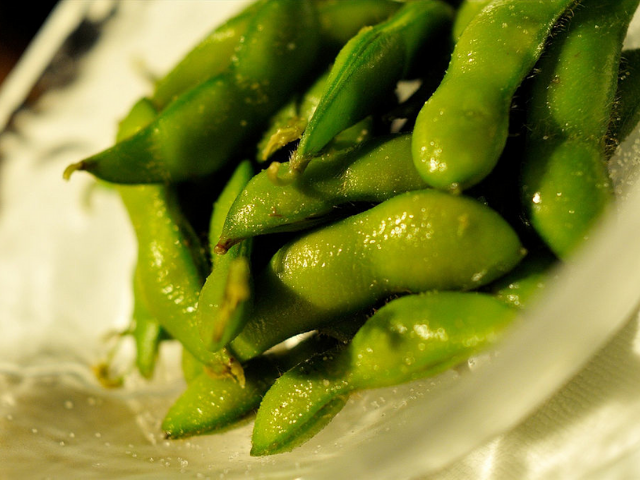
soybean
(noun) - an important legume grown in South Carolina and used in a variety of foods, as fodder for cattle, and in industrial products


Copyright © 2026. All rights reserved.