
South Carolina Glossary
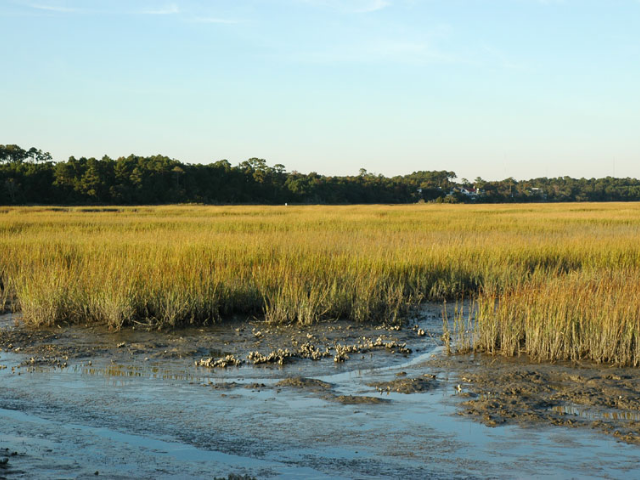
salt marsh
(noun) - low-lying wetland that is frequently flooded with saltwaterDiscus Resources
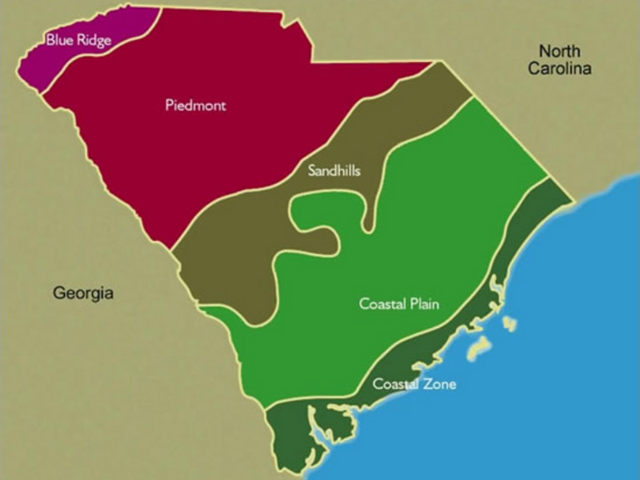
Sandhills
(noun) - the hilly, central area of South Carolina that was a prehistoric beachfront and is marked by deposits of sand and sedimentary rockResources
sandlapper
(noun) - a nickname for South Carolinians, primarily from the sandy eastern part of the state.Resources

scalawag
(noun) - a nickname for southern whites who supported Reconstruction following the Civil WarDiscus Resources
Scots-Irish
(noun) - a person from Scotland living in Ireland, especially Scottish Protestants sent by the English crown to settle in Catholic Northern Ireland. Many immigrated to the United States in the 18th and 19th centuries.Resources
Discus Resources
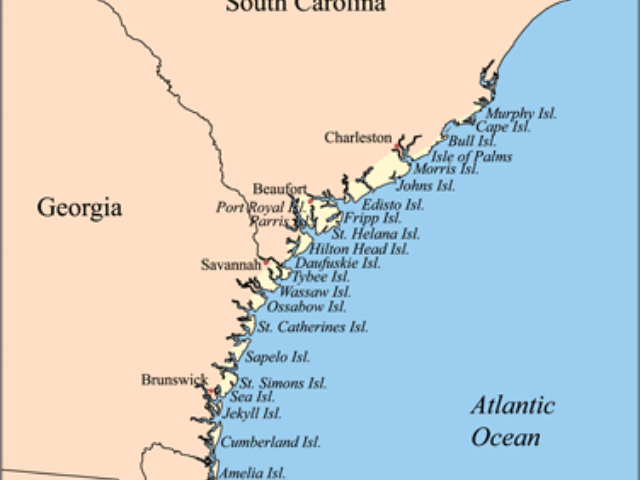
Sea Islands
(noun) - a chain of tidal and barrier islands on the Southeastern Atlantic Ocean coast. There are over 100 islands in South Carolina, Georgia, and Florida.Discus Resources
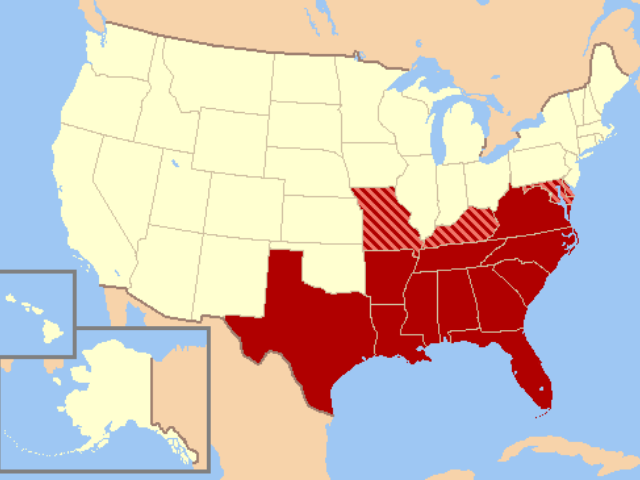
secede
(verb) - to split from or to withdraw from membership of a political union, an alliance, or an organizationDiscus Resources

segregate
(verb) - to separate by race or religion. Also, to practice a policy of racial segregation.Discus Resources

seminary
(noun) - a theological school for training ministers, priests, or rabbisResources
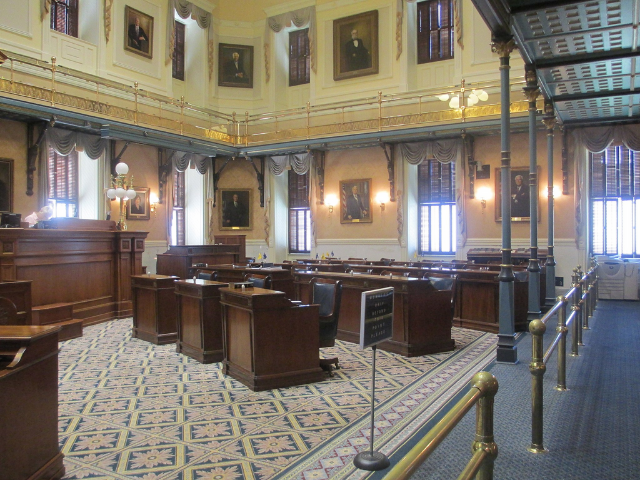
Senate
(noun) - the upper house of the South Carolina General Assembly.Resources
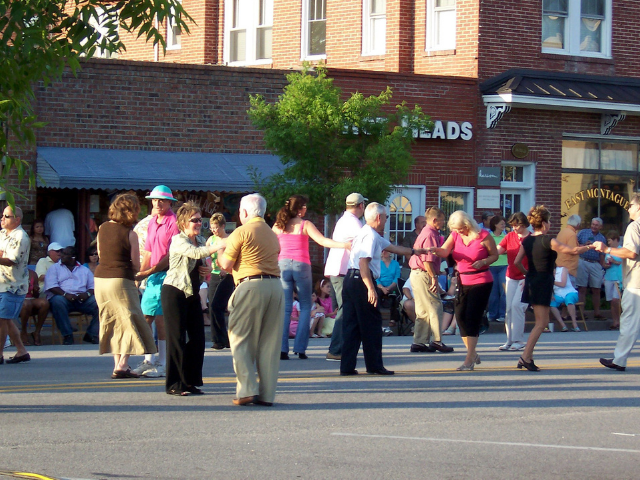
shag dance
(noun) - the Carolina Shag is a partner dance done primarily to Beach Music, originating along the North and South Carolina coast.Resources

sharecropper
(noun) - a person who enters an agreement with a land owner to farm the land and then pay a portion (share) of the produce as rentDiscus Resources
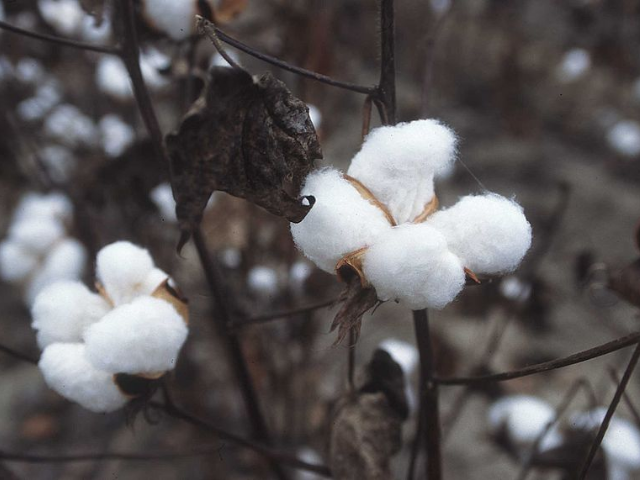
short-staple cotton
(noun) - a cotton variety that has shorter fibers than long-staple cotton and became the signature crop across the American South after the invention of Eli Whitney’s Cotton Gin in 1793.Resources

sit-in
(noun) - a form of civil disobedience in which demonstrators occupy seats and refuse to moveDiscus Resources

Slave Codes
(noun) - laws that each US state, or colony, enacted that defined the status of slaves and the rights of masters.Discus Resources


sovereign
(noun) - a person who possesses superior power, rank, or authorityDiscus Resources
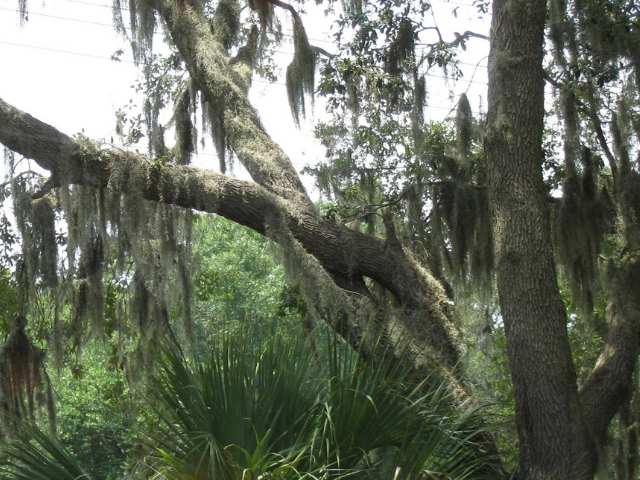
Spanish moss
(noun) - a flowering plant that grows upon larger trees, commonly the southern live oak or bald cypress in the lowlands and savannas of southeastern United StatesDiscus Resources

suffrage
(noun) - the right to vote in political electionsDiscus Resources
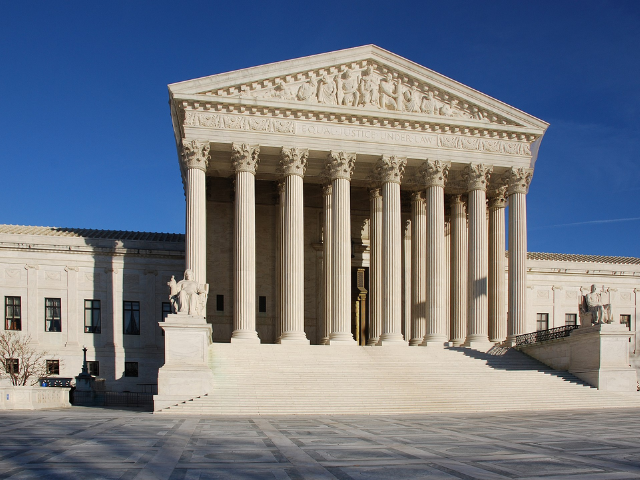
Supreme Court
(noun) - the highest federal court in the United States. Also used as the name for the highest state court.Discus Resources


Copyright © 2026. All rights reserved.